Common Misconceptions About Handcrafted Rugs and Home Textiles at Lulu and Georgia
Handcrafted rugs myths keep many shoppers hesitant about hand-knotted wool and flatweave jute options, often out of worry over fragility, mismatched color, or high upkeep. Lulu and Georgia carries a range of hand-knotted, handwoven, and flatweave rugs alongside velvet fabrics and curtains that test these assumptions directly. This article walks through the most common handcrafted rugs myths and lines them up against what the brand’s own product descriptions actually say. The goal is to separate a genuine design feature from something that only looks like a flaw.
Myth: Hand-Knotted Rugs Are Too Delicate for Everyday Living
A common assumption holds that hand-knotted construction signals a rug too precious for daily foot traffic. In reality, hand-knotting describes a production method, not a fragility rating. Lulu and Georgia describes its Heritage Hand-Knotted Wool Rug as an heirloom-quality, 100% wool piece with hand-knotted fringe detailing on a solid design that stays soft underfoot and easy to care for, and that rug sits within the brand’s New Rugs collection alongside other hand-knotted options such as the Arata and Braud Hand-Knotted Wool Rugs and the handwoven Lassas and Krane rugs. That combination points to a rug meant for actual living space, not a piece reserved for a room nobody enters.
The Reality of Flatweave Construction and Natural Jute Fibers
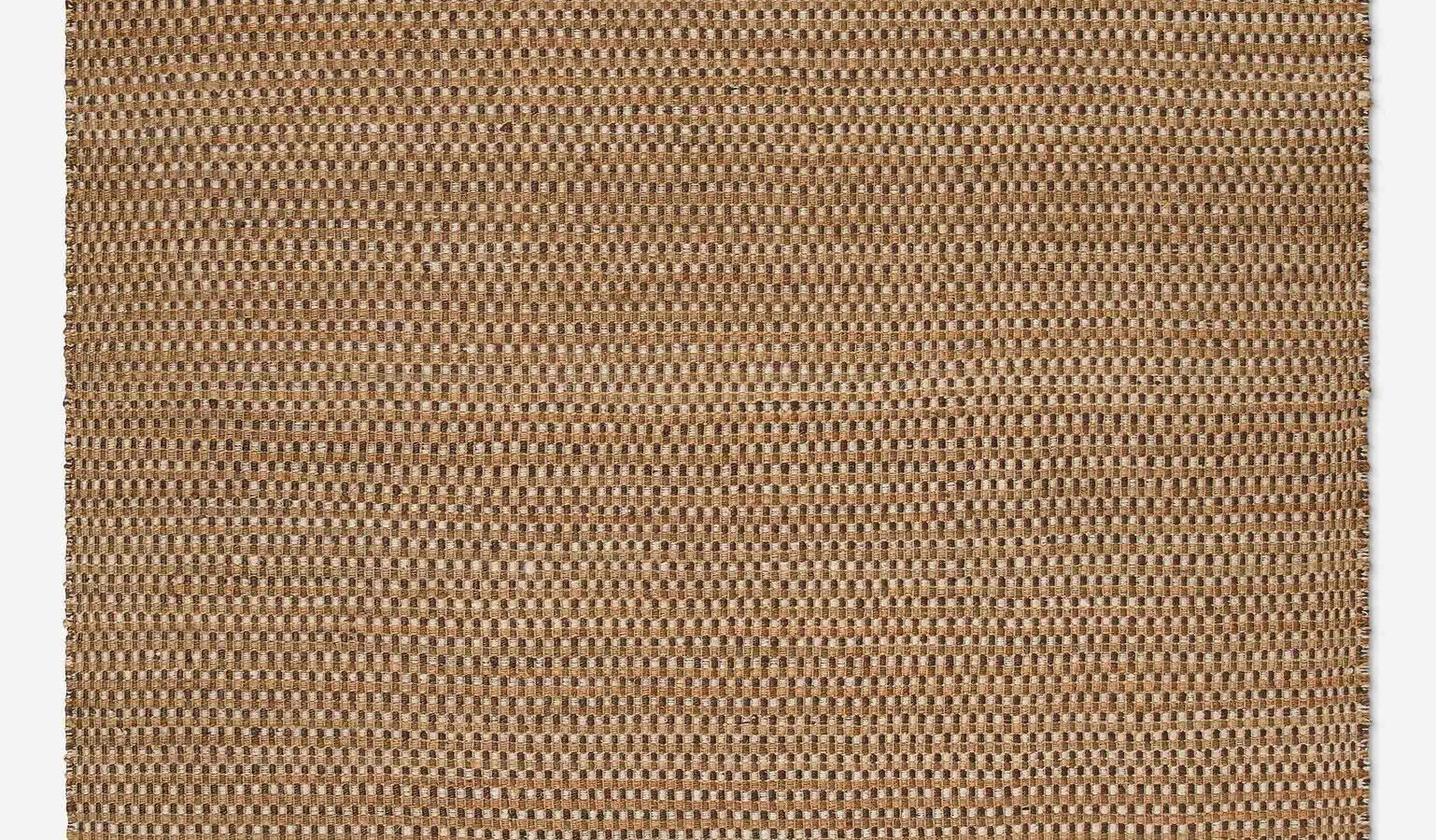
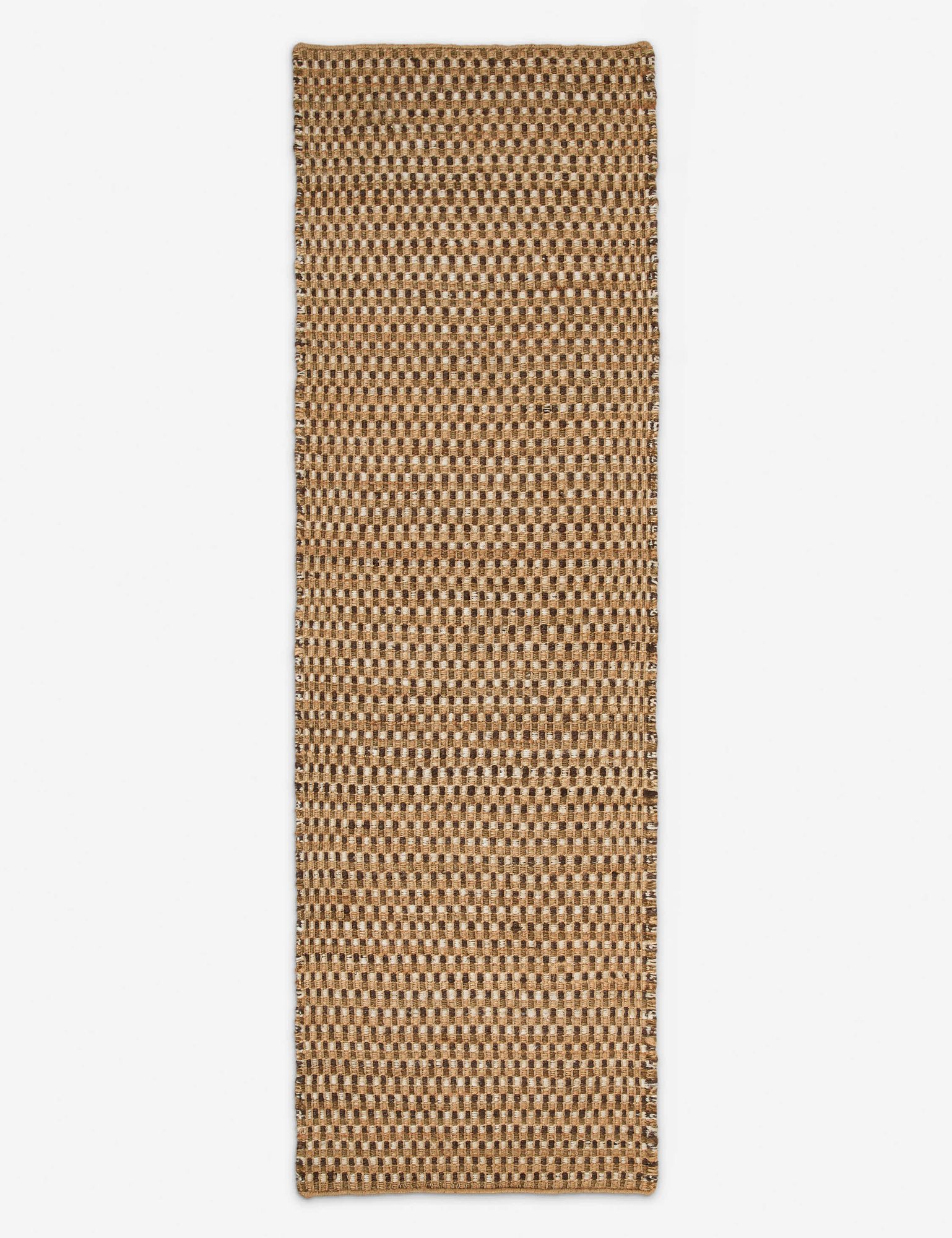
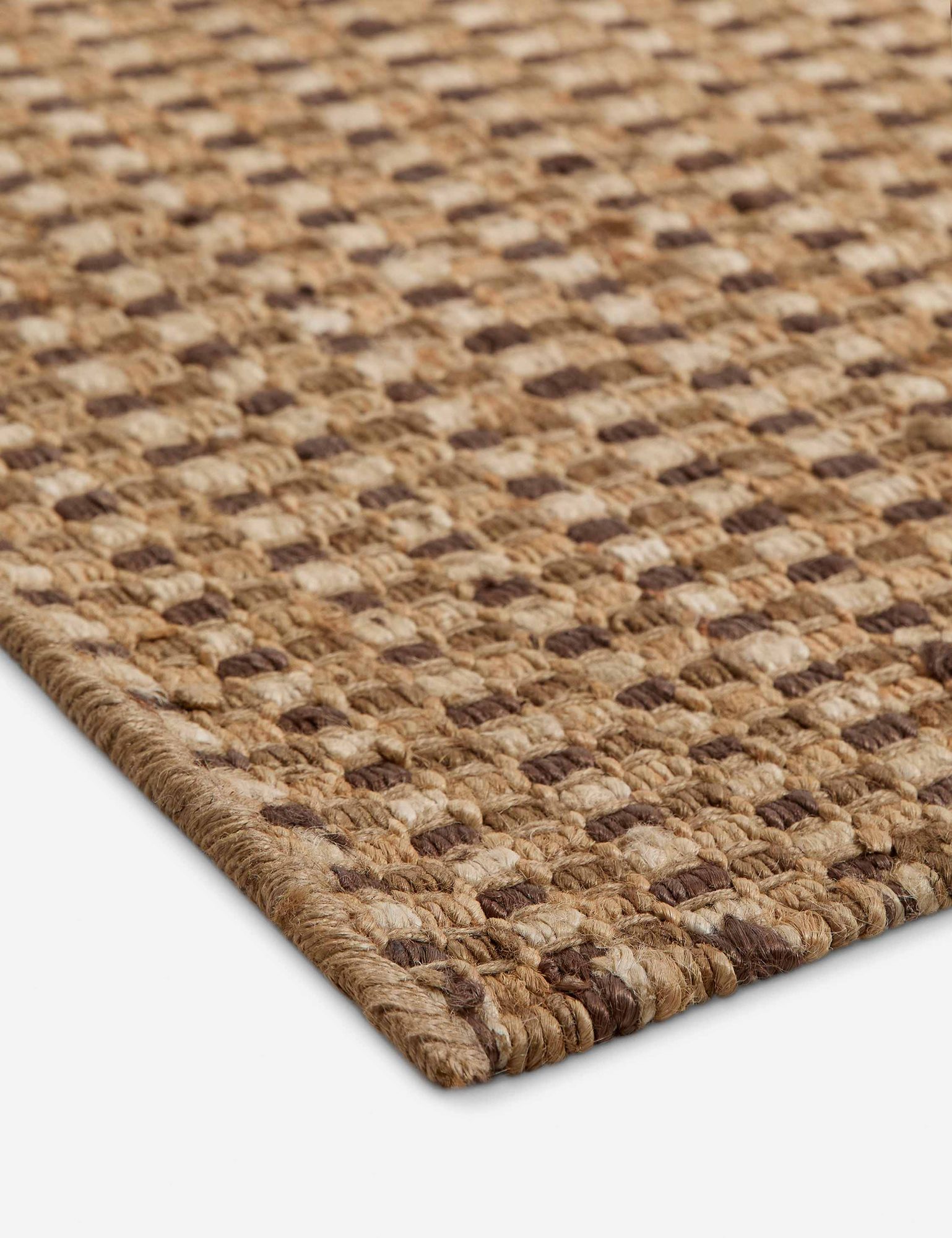
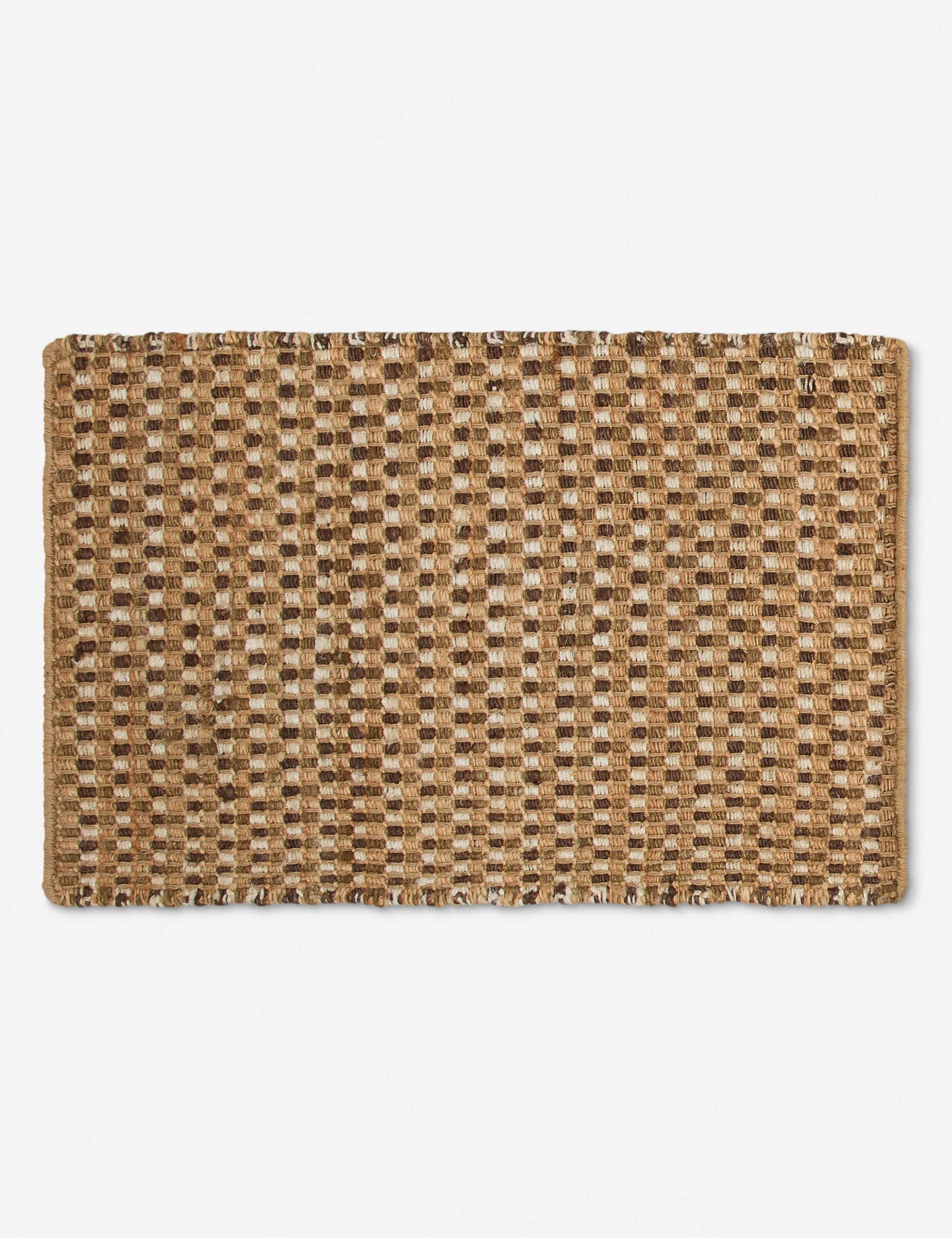
Flatweave rugs carry a related myth, namely that a flat construction signals a lesser or less finished piece. The Hiro Flatweave Jute Rug argues otherwise, pairing a crisp, tactile foundation with a graphic woven pattern. Natural jute fibers bring warmth and subtle variation, giving the rug an artisanal feel alongside everyday versatility, and Lulu and Georgia notes that this texture works just as well layered into a living room as it does in a bedroom or entryway. That blend of texture and practicality explains why flatweave jute pieces show up across so many different room types.
Debunking Color Consistency Concerns in Hand-Crafted Textiles
One of the more specific myths is the expectation that every piece in a pattern or fabric line should match exactly. The Royce Velvet Fabric, used across pillows, curtains, and yardage, shows how handcrafted textiles actually behave. Its floral print and rich palette bring depth in tone and texture, and the product listing from Lulu and Georgia notes that subtle color differences between the Royce pillow, curtain panel, and fabric swatch are a normal part of how dyed, printed velvet gets produced rather than a defect. The Mauree Velvet line, including a tree skirt, garland, and stocking, shares that same smooth sheen, which suggests gentle tonal variation runs across the brand’s velvet offerings generally.
Heritage Hand-Knotted Wool Rugs and Long-Term Durability
Durability concerns often sit at the center of handcrafted rugs myths, especially for wool pieces meant to anchor a room for years. The Heritage rug’s solid pattern is described as something that can fold into a space as a household’s aesthetic evolves, which speaks directly to longevity beyond the first arrangement of furniture. That same evolving-aesthetic idea runs through the wider New Rugs collection, which the brand says is refreshed continuously with hand-knotted, handwoven, flatweave, and machine-made constructions across a full range of sizes. A rug built to adapt alongside a changing room, rather than dictate one fixed look, reads as a long-term foundation piece rather than a delicate accessory confined to low-traffic rooms.
Velvet Fabrics and Curtains: Misconceptions About Maintenance
Velvet often gets dismissed as high-maintenance before anyone considers what the fabric is actually used for. The Royce Velvet Curtain Panel carries the same floral print and rich palette as the matching fabric and pillow, a combination suited to transitional interiors that balance traditional and modern style. Velvet pillows such as the Charlotte Velvet Pillow, Sabine Velvet Bolster Pillow, and Monroe Velvet Round Pillow, all sold by Lulu and Georgia, extend that same soft sheen into smaller accent pieces for a sofa, a dining bench, or a bed. None of these descriptions frame velvet as fragile, and the product copy instead emphasizes how easily its hues layer into existing rooms.
Designing with Handcrafted Pieces Across Different Room Styles
Flexibility is another area where handcrafted rugs myths do not match reality. The designer collections at Lulu and Georgia widen that point beyond the Heritage line, pairing hand-knotted, handwoven, and flatweave construction across several distinct looks, including the Furin Handwoven Wool Rug, the Carlisle Hand-Knotted Wool Rug, the Beddow Flatweave Jute Rug, and the Clapham Hand-Loomed Wool Rug. Design Services backs up those styling decisions, offering virtual appointments, in-person appointments, an email-a-designer option, and guides covering rugs, seating, lighting, and contract-grade projects, alongside a showroom on Melrose Avenue in West Hollywood. That range of construction types and support suggests handcrafted pieces are not confined to one decorating direction.
- Hand-knotted construction is frequently mistaken for a sign of fragility rather than a traditional production method.
- Natural fiber rugs, such as jute flatweaves, are sometimes expected to look perfectly uniform when subtle variation is part of their character.
- Color differences between a fabric swatch, a pillow, and a curtain panel in the same pattern are often misread as manufacturing errors.
- Velvet upholstery and curtains are commonly assumed to require constant special care simply because of their texture.
- Handcrafted rugs are sometimes viewed as limited to one decorating style instead of adaptable across changing room designs.
Taken together, these points chip away at several handcrafted rugs myths at once. Construction method, fiber choice, and dye process each explain a texture or a variation that buyers sometimes mistake for inconsistency. Recognizing the difference between a design feature and a flaw changes how hand-knotted wool, flatweave jute, and velvet textiles get evaluated in the first place.
Handcrafted home textiles reward a closer look rather than a cautious distance.