Material and Finish Distinctions in Article’s Contemporary Furniture Range
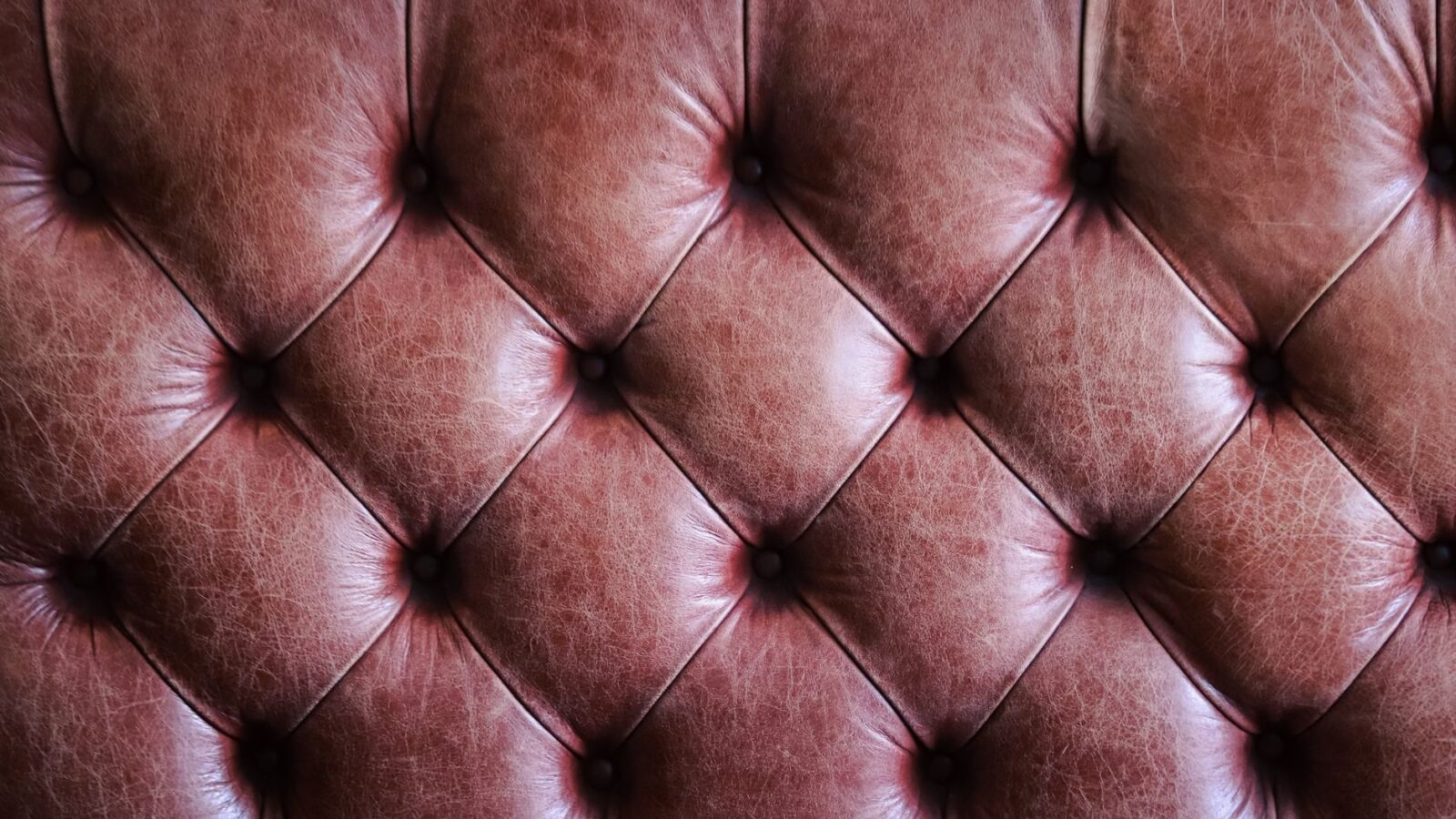
Shopping for contemporary furniture often comes down to small, specific decisions rather than broad style preferences. Material finishes contemporary furniture choices, such as a leather versus a fabric sofa or a walnut versus a painted nightstand, shape how pieces look together across a room. Article organizes its catalog around exactly these distinctions, giving shoppers a way to compare seating, bedroom, dining, and storage pieces by the materials used to build them.
Leather and Fabric Options Across Article Sofas and Seating
Seating is where the material conversation usually starts, and Article frames it directly on its site as a choice between soft, cozy fabrics and sleek, long-lasting leathers. The Timber 90″ sofa, for example, is offered in a leather finish called Charme Tan, giving it a distinct surface and sheen compared to a fabric-upholstered piece. The Ceni 88″ corner sectional, by contrast, comes in a textile finish called Hemlock Green, showing how the same general sofa category can read very differently depending on covering.
That pairing of leather and fabric options within a single brand matters because it lets a living room lean toward either a warmer, textured look or a more polished, low-fuss surface. Article‘s own description of finding a material match for a sofa suggests this decision is treated as central, not an afterthought added after silhouette is chosen.
Wood Species and Construction in Article Bedroom and Dining Pieces
Bedroom pieces reveal a different set of material cues, mostly tied to wood tone rather than upholstery. The Lenia King Panel Bed pairs naturally with the two-drawer Lenia Nightstand, while the Cooper King Low Profile Bed and Cooper Queen Low Profile Bed pair with the one-drawer Cooper Nightstand, since each bed and nightstand combination is finished in walnut. The Nosh Dining Chair pairs walnut with a colored accent, listed as Walnut and Hemlock Green, which shows wood and color finish can be combined rather than treated as separate decisions.
Dining tables follow a similar pattern. The Heidi extendable round dining table and the larger Heidi extendable dining table are both offered in walnut, meaning a household expanding from a round to a rectangular table can keep the same wood tone across both.
Fabric Characteristics: Cozy Textiles Versus Long-Lasting Performance Materials
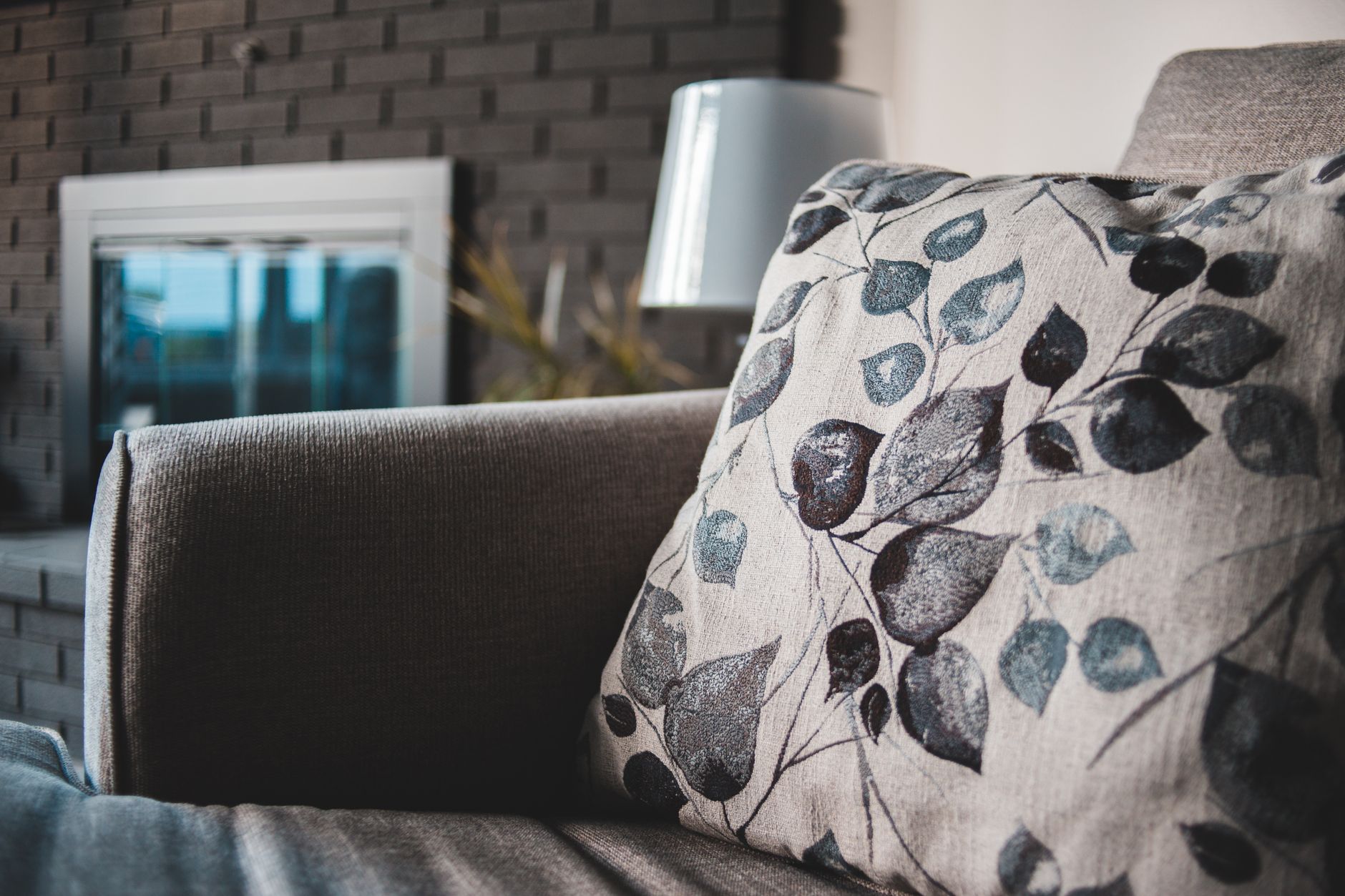
Fabrics are described as soft and cozy, while leathers are positioned as sleek and long-lasting, giving shoppers a quick mental shortcut when comparing options. A pillow like the Venturi Pillow in Sierra Mustard illustrates how textile finishes extend beyond sofas into smaller accent pieces that reinforce a room’s fabric story. That range of textile and leather finishes contemporary furniture buyers encounter is part of what separates seating choices from the wood-driven decisions made elsewhere.
This distinction also plays out at the sectional level. The Ceni corner sectional’s Hemlock Green fabric finish gives it a markedly different tactile and visual presence than a leather sofa finished in a tan tone, even if the two share a similar frame philosophy.
Walnut Finishes and Alternative Wood Tones in Article’s Core Collections
Walnut appears repeatedly across the bedroom and dining lines, functioning almost as a connective tissue between categories. The Lenia 6-Drawer Double Dresser and Cooper 6-Drawer Double Dresser both carry six drawers finished in walnut, and the Cooper dresser is listed alongside the Cooper Queen Low Profile Bed within the catalog’s bedroom grouping. On top of that, a rug pad such as the Stein Rug Pad shows that even surface layers beneath furniture are treated as part of the same product catalog.
Side tables reinforce the pattern as well. The Portima C Side Table and the Amoeba Side Table are both finished in walnut, showing that even small accent furniture is designed to echo the wood tone used in larger case goods nearby.
Storage Solutions: Material Selection for Stylish Organization
Article markets its storage offerings directly as a way to add organization without sacrificing style, and the material choices in that category back up the claim. The Lenia 2-Drawer Nightstand and Cooper 1-Drawer Nightstand give bedrooms smaller storage options alongside the larger dressers, rounding out a range that runs from single-drawer pieces to six-drawer double dressers. That continuity is part of what lets material finishes contemporary furniture decisions extend from seating and tables into purely functional pieces.
- Sofas and sectionals are available in fabric finishes such as Hemlock Green and leather finishes such as Charme Tan.
- Nightstands including the Lenia 2-Drawer and Cooper 1-Drawer models are both offered in a walnut wood finish.
- The Nosh Dining Chair combines a walnut frame with a Hemlock Green fabric accent, pairing wood and textile in one piece.
- Dining tables in the Heidi line, both round and rectangular extendable versions, are available in walnut.
- Dressers and beds in the Lenia and Cooper lines share a consistent walnut finish across bedroom storage and sleep pieces.
- Smaller accents like the Portima C and Amoeba side tables extend the walnut finish into occasional furniture.
How Material Choice Impacts Aesthetic Continuity Across Rooms
Because walnut recurs across nightstands, dressers, beds, dining tables, and side tables, a household can move between rooms without an abrupt change in wood tone. That repetition is a structural feature of the catalog rather than a styling trick layered on afterward. In addition, the fabric and leather split in the seating range means a living room’s textile mood can be set independently of the wood tones used nearby in a console or side table.
For shoppers comparing material finishes contemporary furniture options piece by piece, this overlap between categories is useful. A walnut dining table from the Heidi line, for instance, can sit comfortably near a walnut-finished side table without any mismatch in tone. Article also references a short form for a custom design plan on its site, which points toward material pairing being presented as a planning consideration rather than a purely aesthetic afterthought.
Ultimately, the specific combination of wood species, fabric, and leather finish gives each piece its character within a shared visual language. Attention to those finishes, rather than just shapes or categories, is what lets a room read as deliberately put together.