New Balance Cushioning and Fit Differences Across Models
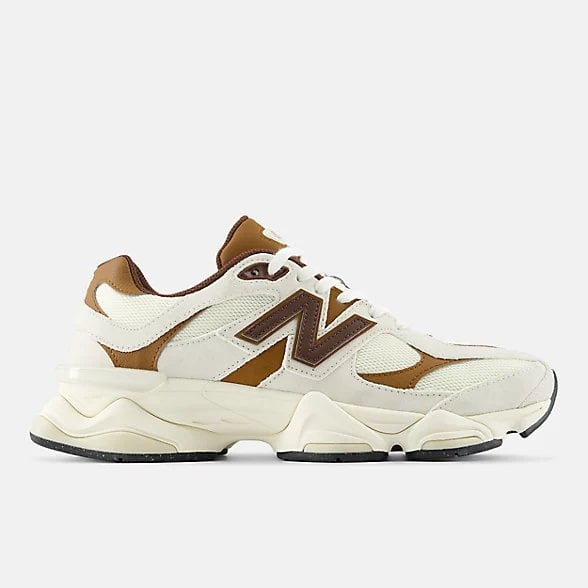
Comparing the New Balance 574 vs 530 usually starts with a simple question: which shoe fits the way it will actually be worn day to day? The 9060 adds a third option into that conversation, bringing a bulkier look into a lineup otherwise built around slimmer heritage shapes. For someone already familiar with New Balance, the three silhouettes can look deceptively similar on a shelf despite carrying different midsole heights, upper materials, and sizing categories. Sorting out those differences matters because picking the wrong shape often means picking the wrong fit, not just the wrong style.
Understanding New Balance Silhouettes: What Sets Each Model Apart
New Balance organizes much of its footwear catalogue around a handful of recognizable shapes that have carried the label for decades. The 574, 530, and 9060 represent three different points along that timeline, each with a distinct midsole profile and upper design. The 574 leans on a heritage running shape built for daily wear, while the 530 reflects a leaner, trail-influenced construction. The 9060 reworks those same proportions into a bolder stance, which is why New Balance’s own site calls it modern expressionism rather than grouping it with the brand’s classic running shapes.
The 574: Heritage Cushioning and Everyday Versatility
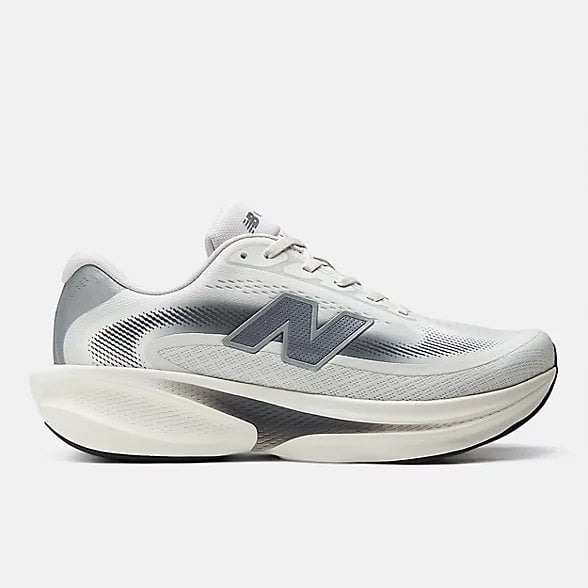
The 574 has long served as a familiar entry point into the running-inspired side of the catalogue, and it remains available in both adult and kids’ sizing, including a Core Lace kids’ version. Its midsole sits closer to the ground than the 9060’s, giving it a flatter, more planted stance underfoot that suits walking around on pavement rather than any specialized sport. The upper favors a classic rounded toe and a suede-and-mesh combination that has defined the shape since it first appeared.
Within a New Balance 574 vs 530 comparison, what sets the 574 apart is its focus on all-day wearability rather than a single specialized use case. Its cushioning is built for consistent, cushioned support across a full day of wear rather than for trail traction or a dramatic platform look. That everyday orientation is part of why it has stayed in close to constant production alongside newer releases like the 9060.
The 530: Lightweight Construction and Trail-Ready Design
The 530 occupies a different space in the catalogue, with the brand’s own site grouping it alongside hiking and trail-sale categories. That placement points to a build geared toward lighter movement rather than the bulkier heritage look of the 574. The midsole on the 530 sits slimmer and closer to the foot, which changes how the shoe feels underfoot compared with the taller stack on the 9060.
Where the 574 reads as a classic, the 530 reads as a sleeker, more pared-back shape with a lower-profile cushioning setup. The distinction at the center of most New Balance 574 vs 530 discussions comes down to this contrast: one shoe is rounded and retro, the other trimmer and lighter underfoot. Shoppers weighing the two are often balancing nostalgia-driven styling against a shoe built with trail-adjacent intentions.
The 9060: Modern Expressionism and Contemporary Aesthetic
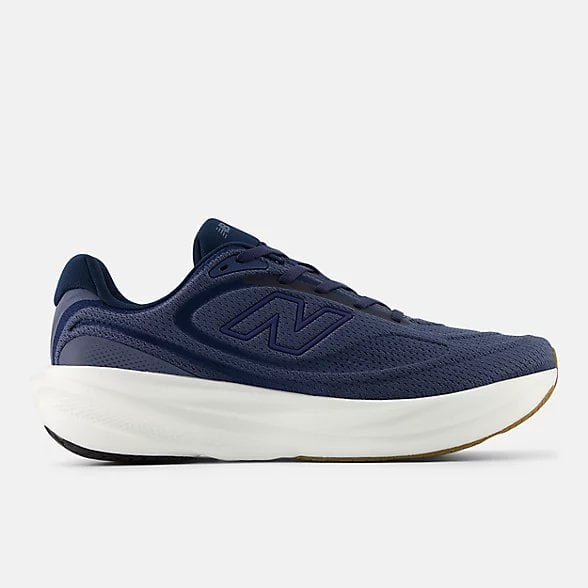
The 9060 is offered in a unisex adult version as well as a 9060 Lace kids’ option, extending the design down into younger sizing, much as the 574 is handled across its own adult and kids’ lines. That pairing suggests both shapes are treated as long-term staples rather than limited drops. The lineup also includes the 9060 NYCM Finisher, showing that variation continues within the model itself even before comparing it against the 574 or 530.
Where the 574 and 530 keep their midsoles relatively close to the ground, the 9060 raises the stack height noticeably, giving it a taller, chunkier cushioning profile. That added bulk is also what drives its more exaggerated panelling and layered branding. For buyers used to the slimmer New Balance running shapes, the 9060 reads as a departure in proportion rather than a simple update.
Fit and Heel-to-Toe Proportions Across the Range
Fit conversations around these three silhouettes usually start with the upper shape rather than a single universal sizing chart. The 574’s rounded toe box and structured heel counter give it a snugger, more traditional running-shoe feel, matched to its lower-profile midsole. The 530, grouped with trail and hiking categories, pairs its slimmer cushioning with a fit meant to stay secure during lighter movement.
The 9060 changes the proportions of the shoe more than either of the other two, since its taller midsole shifts weight and balance underfoot. That bulkier stance is part of what separates its contemporary look from the slimmer, flatter lines of the 574 and 530. Anyone moving between these three models within a rotation will likely notice the shift in cushioning height before anything else.
Choosing Between Models Based on Intended Use
Deciding among the 574, 530, and 9060 often depends on whether a shoe is meant for daily casual wear, lighter trail-adjacent movement, or a statement-piece aesthetic. The site groups the 530 with hiking and trail-sale categories, which hints at its intended use more clearly than any general marketing copy. The 574, meanwhile, continues to show up across kids’ and adult lines alike, reinforcing its role as an everyday staple with familiar, consistent cushioning.
- The 574 keeps a lower-profile midsole suited to steady, everyday cushioning rather than a specialized sport.
- The 530 is grouped alongside hiking and trail-sale categories, pointing to a slimmer build meant for lighter movement.
- The 9060 raises its stack height noticeably compared with the 574 and 530, giving it a taller cushioning profile.
- The 9060 is offered in a unisex adult edition and a 9060 Lace kids’ edition, extending its design to younger sizing.
- The 574 Core Lace kids’ option shows that the heritage shape, like the 9060, is extended into kids’ sizing as well.
Anyone weighing New Balance 574 vs 530 against the 9060 is really choosing between three different cushioning heights and design philosophies within one catalogue. The decision becomes clearer once the intended setting, whether daily wear, trail-adjacent movement, or a bolder style statement, is identified. All three stay in active circulation, which keeps the comparison grounded in current options rather than discontinued ones.