Common Nike Shoe Sizing and Fit Myths Debunked
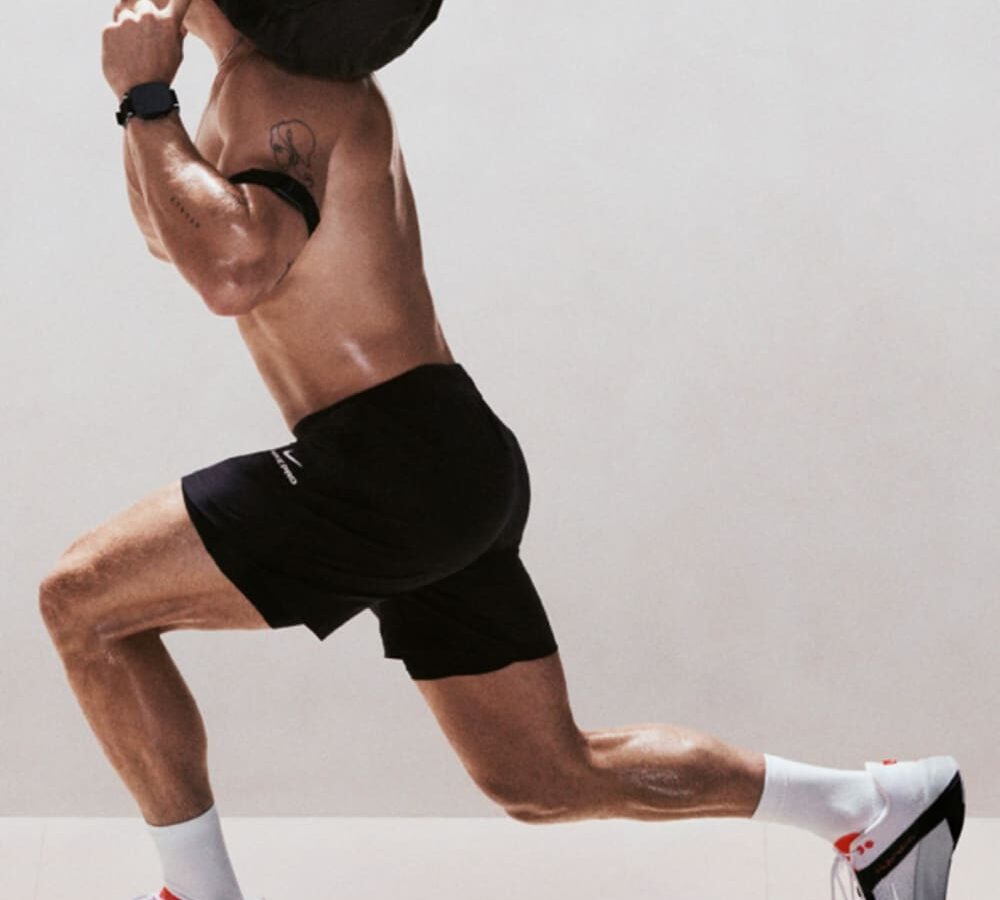
Many shoppers assume a single size works identically across every model, which is one of the more persistent nike shoe sizing myths in circulation. Fit actually varies by silhouette, material, and design era, so a size that works in one line can feel completely different in another. Clearing up these Nike shoe sizing myths helps shoppers make better choices before checking out, whether at a physical store or through an online order.
Why Nike Shoe Sizes Aren’t Universal Across Models
A common assumption is that one numeric size translates identically across an entire catalog. In practice, lasts differ between running shoes, lifestyle sneakers, and basketball silhouettes, which changes how a shoe sits on the foot. That difference alone explains why two pairs labeled the same size can feel noticeably different once worn. Ignoring that reality is one of the easiest ways to end up with a pair that feels off from the first step.
Width is another factor that gets overlooked. Some lines sit on a narrower platform, while others offer more volume through the midfoot. Treating every shoe as interchangeable in sizing terms is where many sizing misconceptions about footwear in general tend to start.
Tech Fleece and Apparel Fit: Separating Fact From Common Assumptions
Apparel fit gets lumped into the same misunderstandings as footwear, even though the two follow different construction choices. It Tech Fleece trousers and tops are cut for a particular silhouette, and that cut is not identical to looser training pants or fitted layers sold elsewhere in the range. Assuming a regular size in one category automatically matches the same number in Tech Fleece overlooks how the fabric and pattern are actually built.
Layering habits also affect how apparel feels day to day. A hoodie meant to sit loosely reads differently than a fitted training top, even when the tag shows the same size. That distinction matters more than many shoppers expect when ordering apparel alongside footwear in a single order.
The Myth of Breaking In Nike Running Shoes
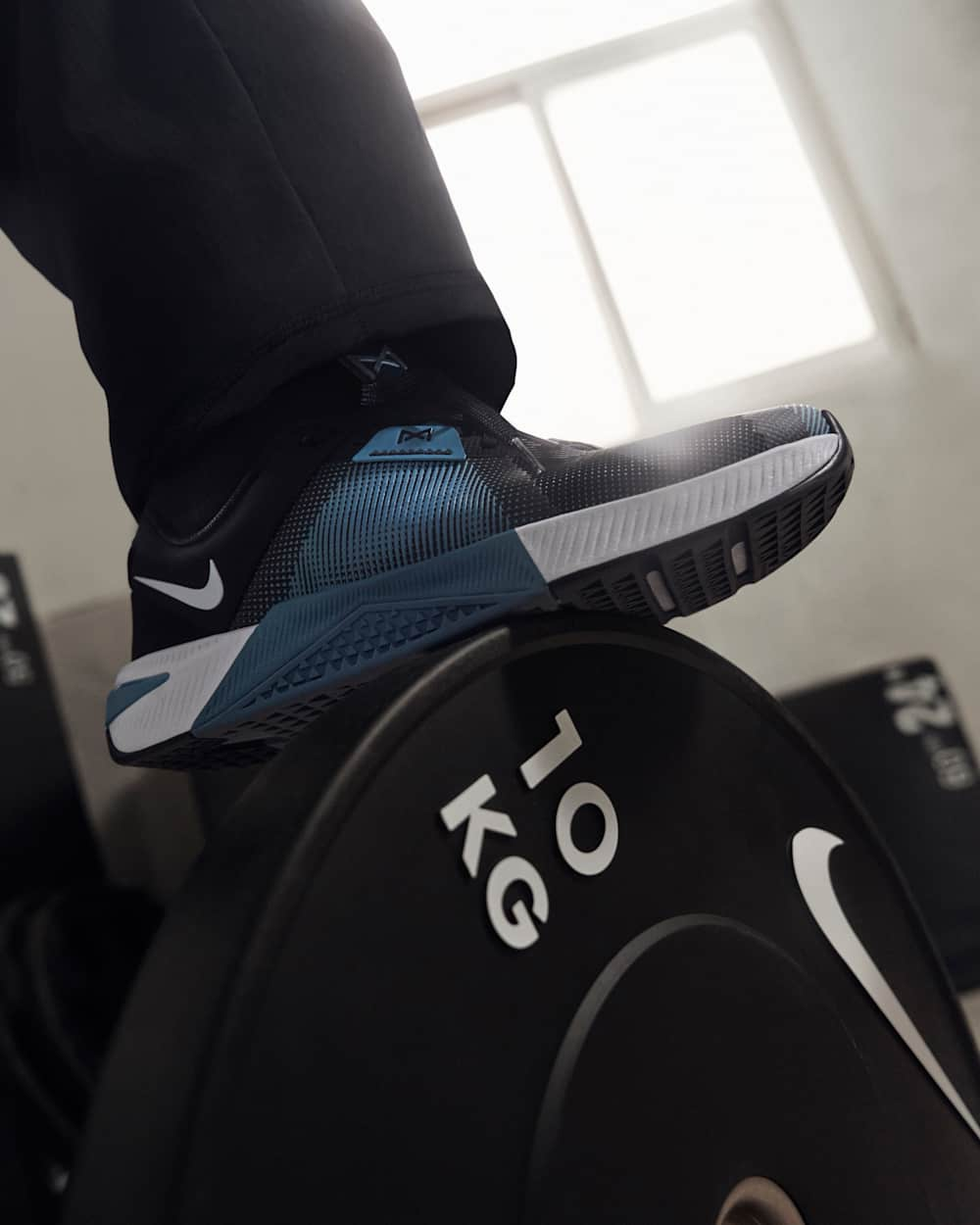
A widespread belief holds that a snug running shoe will eventually stretch into a comfortable fit after enough wear. This idea leads some buyers to size down on purpose, expecting the shoe to adjust to the foot over time. Running shoe uppers and midsoles are built to hold their intended shape, so relying on a break-in period to correct a poor size choice is a flawed strategy.
This is exactly why fit awareness matters before a purchase rather than after. Comparing sizing across similar models ahead of ordering is a more reliable approach than hoping a shoe will loosen with mileage. That habit addresses several sizing misconceptions at once, from assumed stretch to assumed universal width.
Nike Cortez, Waffle, and Shox: Why Heritage Models Fit Differently
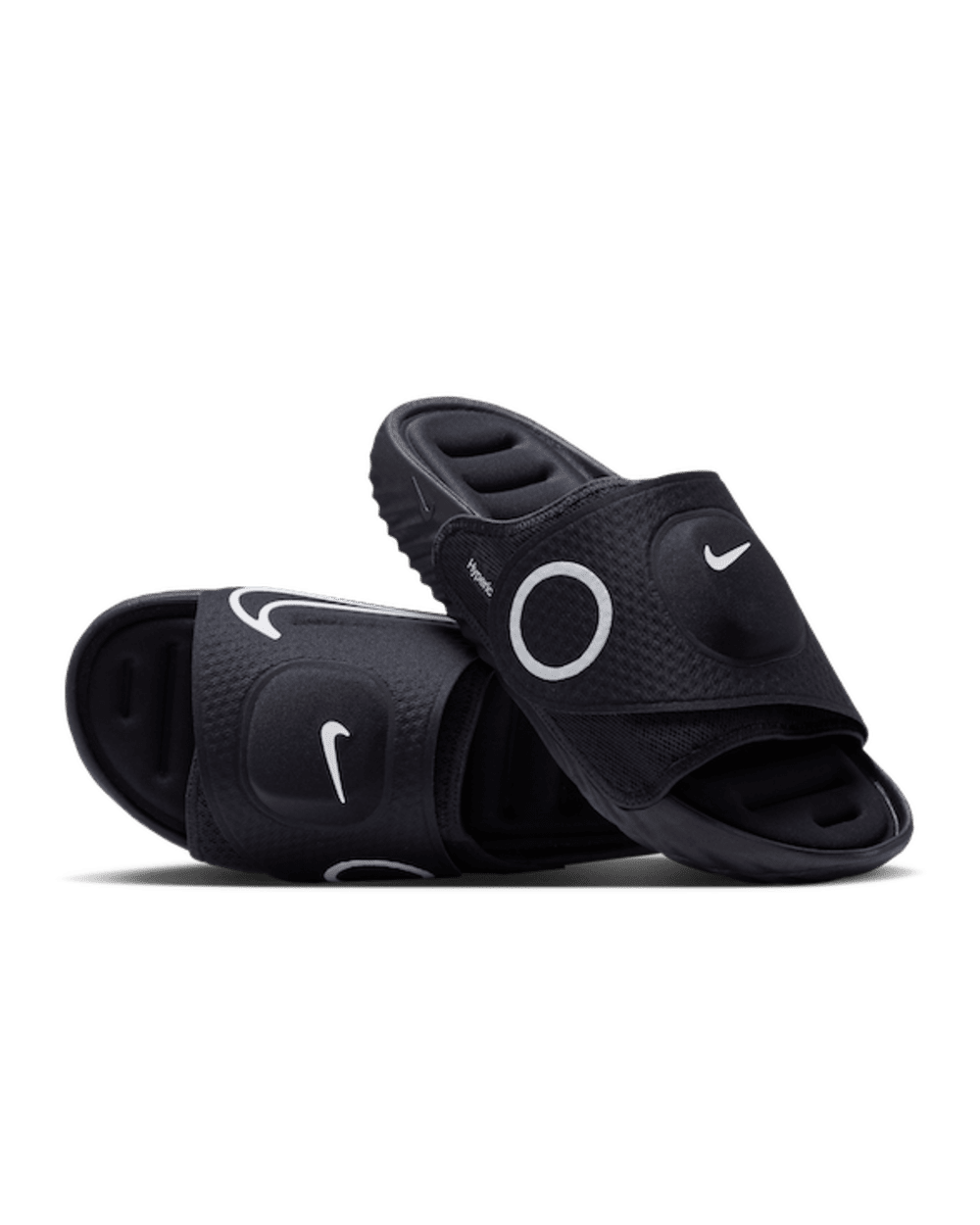
Heritage silhouettes carry design decisions from when they first released, and those choices still shape fit today. The nike Cortez, Nike Waffle sneakers, and Nike Shox each use distinct outsole and upper constructions that were never standardized against later running or training lines. Expecting one of these classics to match the fit of a current performance shoe overlooks that history.
Shoppers browsing these models alongside newer releases sometimes assume a consistency that was never part of the original design intent. Comparing each heritage style on its own terms remains more accurate than relying on memory of a different model’s sizing.
Product Care and Its Impact on Fit and Sizing
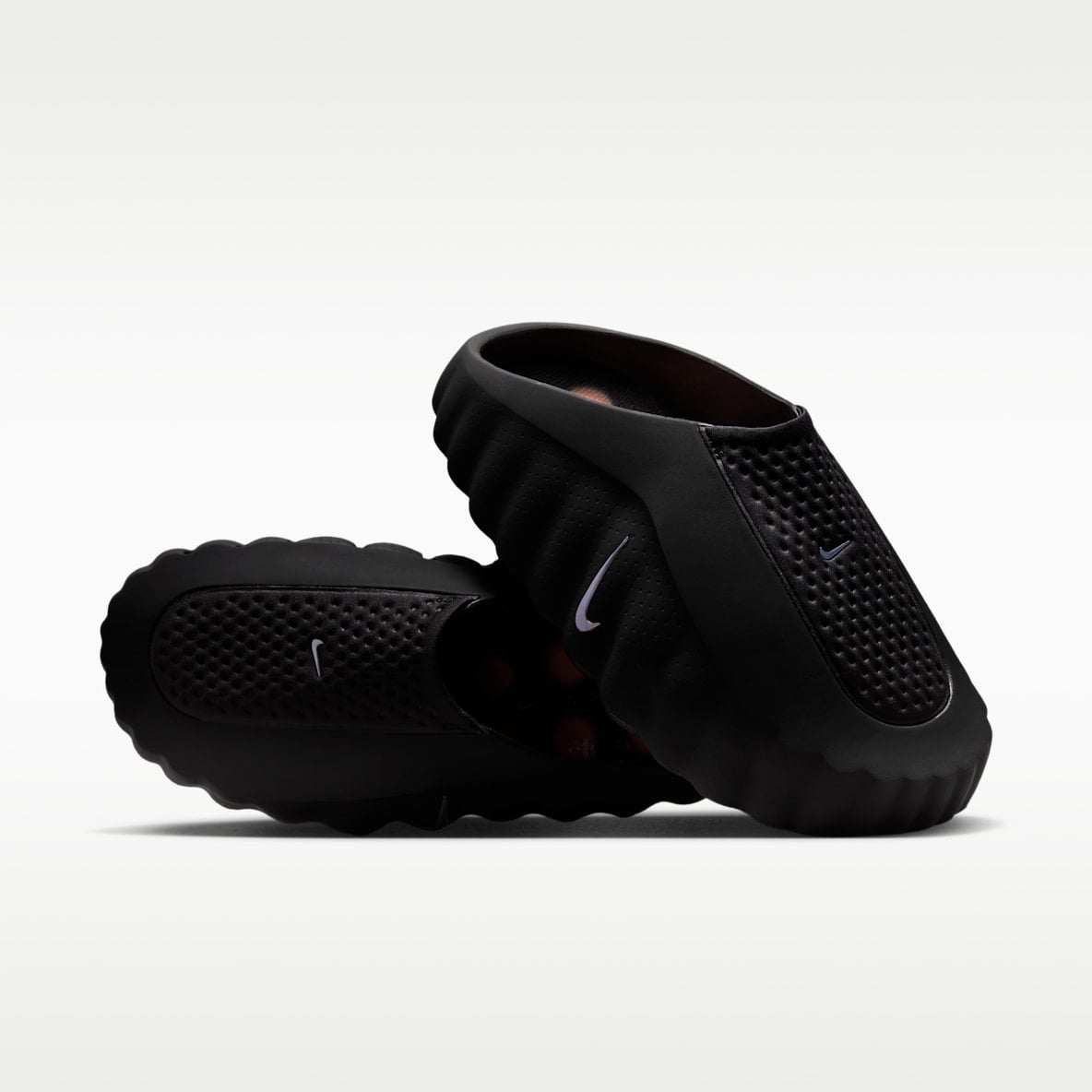
How a shoe or garment is cared for can also influence how it continues to fit over time. Materials respond differently to washing, drying, and general handling, and those responses are not uniform across a range of styles. A Tech Fleece piece and a pair of Waffle sneakers do not share identical care needs, even if both came from the same order.
This is where paying attention to construction differences matters again. Treating all footwear and apparel with one identical care routine ignores the material differences discussed throughout this article, and it can shift how a once-correct size feels over time.
Consulting Nike’s Produktberatung: What Experts Say About Fit
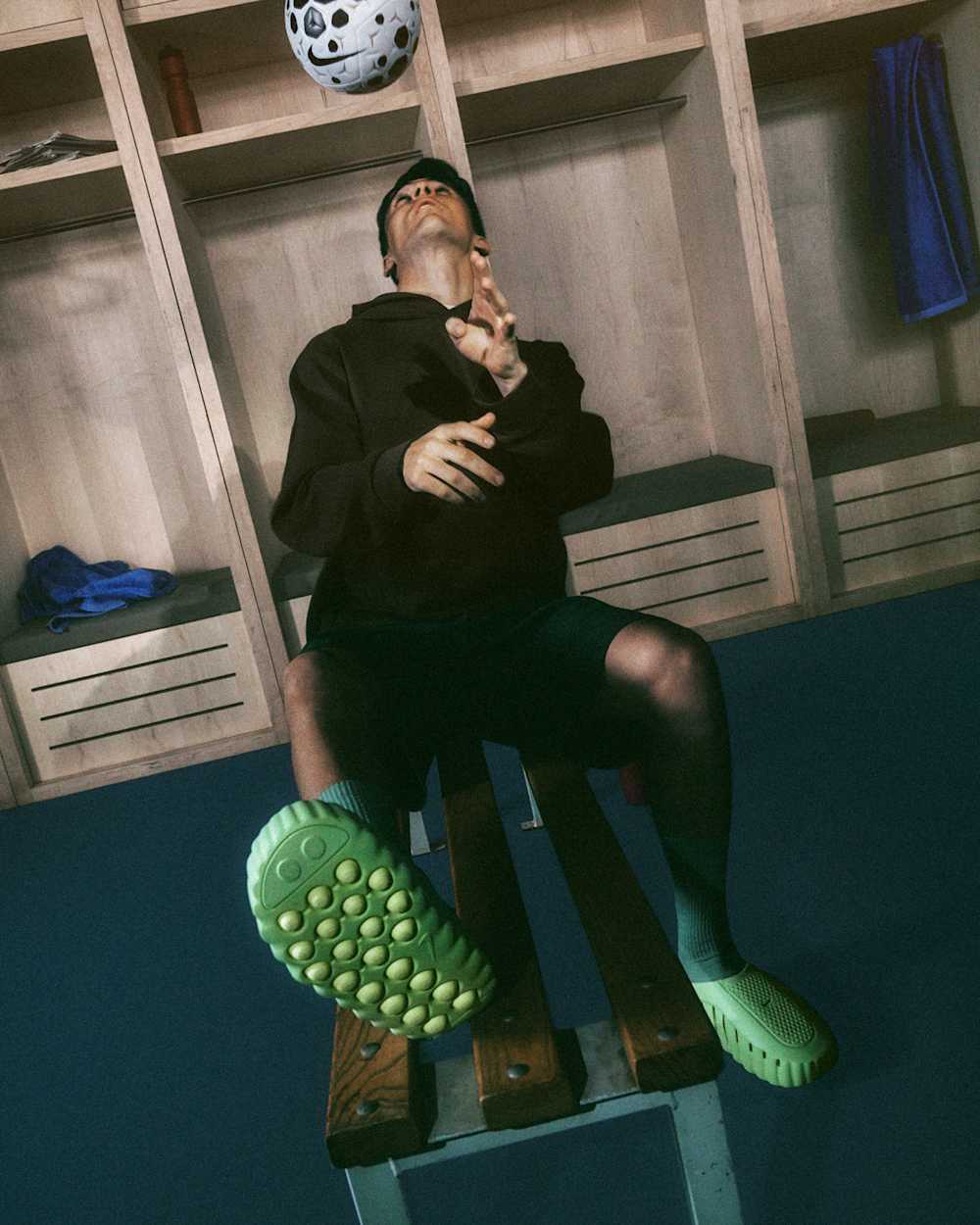
nike‘s own help pages are built to answer practical questions about placing and tracking an order. According to that documentation, The brand shows available shipping options to members and guests during checkout. That information is useful for planning an order, though it addresses logistics rather than resolving a sizing question directly.
Because help documentation focuses mainly on shipping rather than fit, shoppers are better served by comparing listings across models and categories before finalizing a purchase. Relying on structured comparisons, rather than anecdotal sizing advice passed between shoppers, remains the more dependable approach to working through nike shoe sizing myths.
- Ordering a usual size without comparing it against the specific model being purchased is one of the most frequent mistakes shoppers make.
- Assuming width is consistent across running, lifestyle, and basketball lines overlooks real construction differences.
- Sizing down on a running shoe in anticipation of a break-in period often leads to persistent discomfort.
- Treating heritage models like the Nike Cortez or Nike Shox as equivalent in fit to current releases skips over decades of design changes.
- Ignoring how washing and drying affect Tech Fleece or sneaker materials can change how a fit holds up over time.
- Relying on a friend’s size recommendation instead of comparing individual listings ignores differences between body types and shoe lasts.
Correcting nike shoe sizing myths comes down to comparing models directly rather than assuming one number means the same thing everywhere. Checking width, construction, and material before an order, rather than after, is the most direct way to avoid a mismatched fit.