Airport Technology and Digital Systems at Edinburgh Airport Beginners Exploring Modern Air Travel Infrastructure

Airports rely on constant digital coordination, even when travellers never notice it. Airport technology systems link flight schedules, security checkpoints, and passenger communication into a single moving picture. Edinburgh Airport sits inside this wider infrastructure, and its own website reflects how a single digital front door can tie flight status, airline details, and parking together for travellers heading into or out of Scotland.
What Is Airport Technology and Why It Matters
Airport technology covers the hardware and software that keep terminals running, from flight data networks to baggage tracking and passenger messaging tools. These airport technology systems rarely work alone. Instead, they pass information between each other, so one update can reach several screens, apps, and staff devices within moments.
For instance, when a flight is delayed, gate displays and airline systems often update together rather than separately. That kind of linkage is part of why large airports invest heavily in shared digital platforms instead of isolated tools. Edinburgh Airport operates within this same ecosystem, connecting its own website to the wider network of airline and air traffic data that keeps a journey on schedule.
Live Flight Information Systems and Real-Time Updates
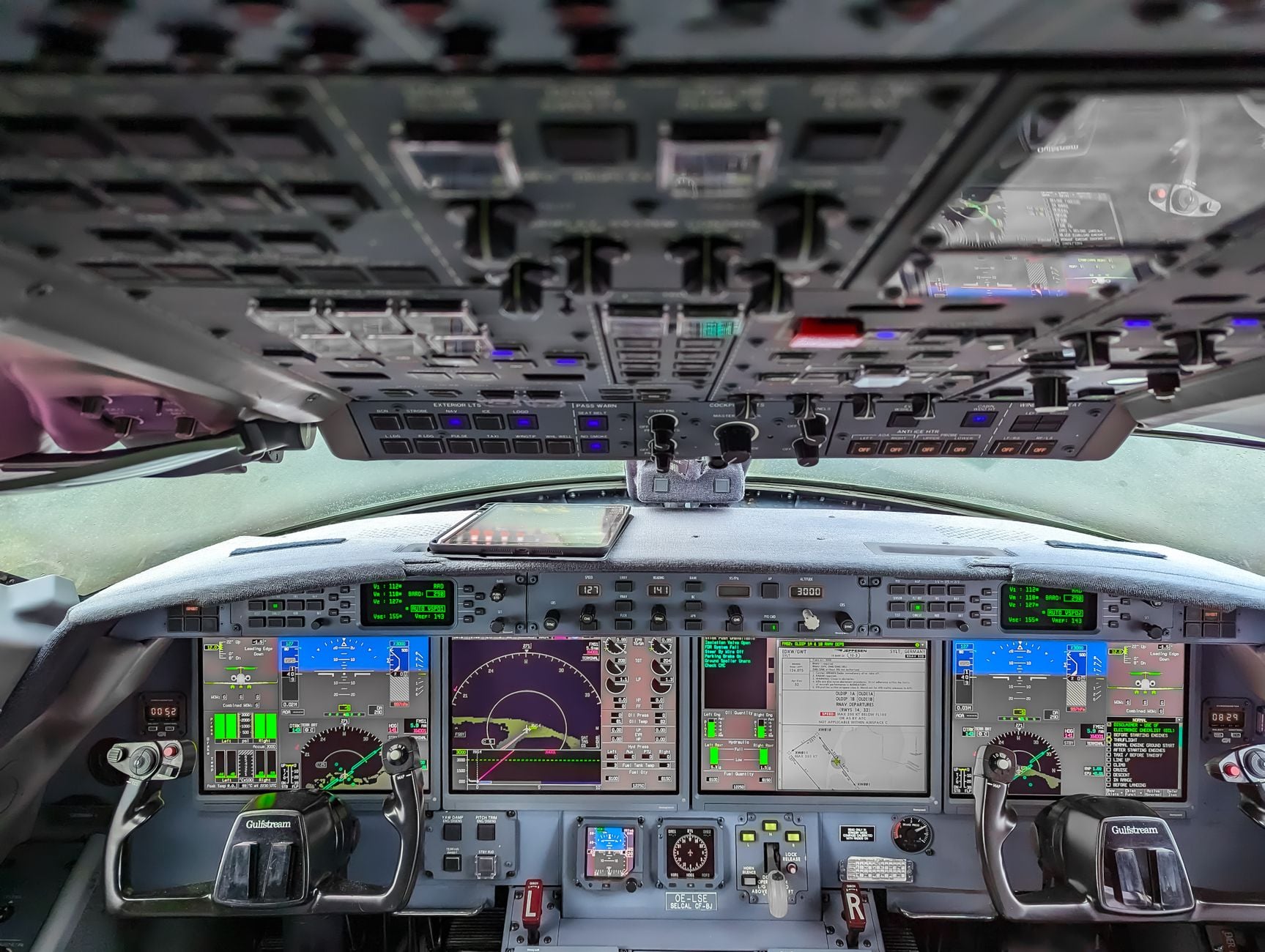
Flight information systems are among the most visible parts of airport technology, showing up on departure boards, mobile apps, and airport websites alike. According to its own site description, Edinburgh Airport presents live flight information alongside airline and destination details, giving travellers a single place to check a departure before setting out. In general, confirming a flight status ahead of time matters because road traffic, early starts, and shifting gate assignments can all affect how smoothly a journey begins.
Behind these updates runs a constant exchange of data between airlines, air traffic control, and ground operations. What a passenger sees on a screen is only the visible layer of a much larger information flow across the aviation network. As a result, a flight status can change within minutes, reflecting operational updates as they happen rather than on a fixed schedule.
Digital Check-In and Boarding Systems Explained
Check-in has shifted substantially from paper tickets to digital boarding passes stored on phones or printed at self-service kiosks. These tools are typically managed by individual airlines, though the airport itself provides the physical space and network connections that support them. Passengers travelling through Edinburgh Airport use these airline-run check-in tools before moving into the shared terminal environment that the airport itself maintains.
Boarding also depends on scanning technology at the gate, confirming identity and ticket validity within seconds. This step connects back to the same broader data network that powers flight information displays elsewhere in the terminal. In addition, digital boarding passes have steadily reduced reliance on printed paperwork across most major airports.
Security and Biometric Technology at Major Airports
Security checkpoints increasingly use automated and biometric tools to manage passenger flow. These include automated passport gates and identity verification cameras, now common across many large airports alongside traditional document checks. Such tools belong to the same category of airport technology systems that balance security requirements against the pace of passenger movement.
The specific biometric tools in use can vary between airports and change over time, but the underlying purpose stays consistent. The goal is to confirm identity accurately while keeping queues from building up at peak times. This area of airport technology remains closely watched, since it affects both security policy and the everyday experience of moving through a terminal, including one the size of Edinburgh Airport.
Parking and Ground Transportation Technology
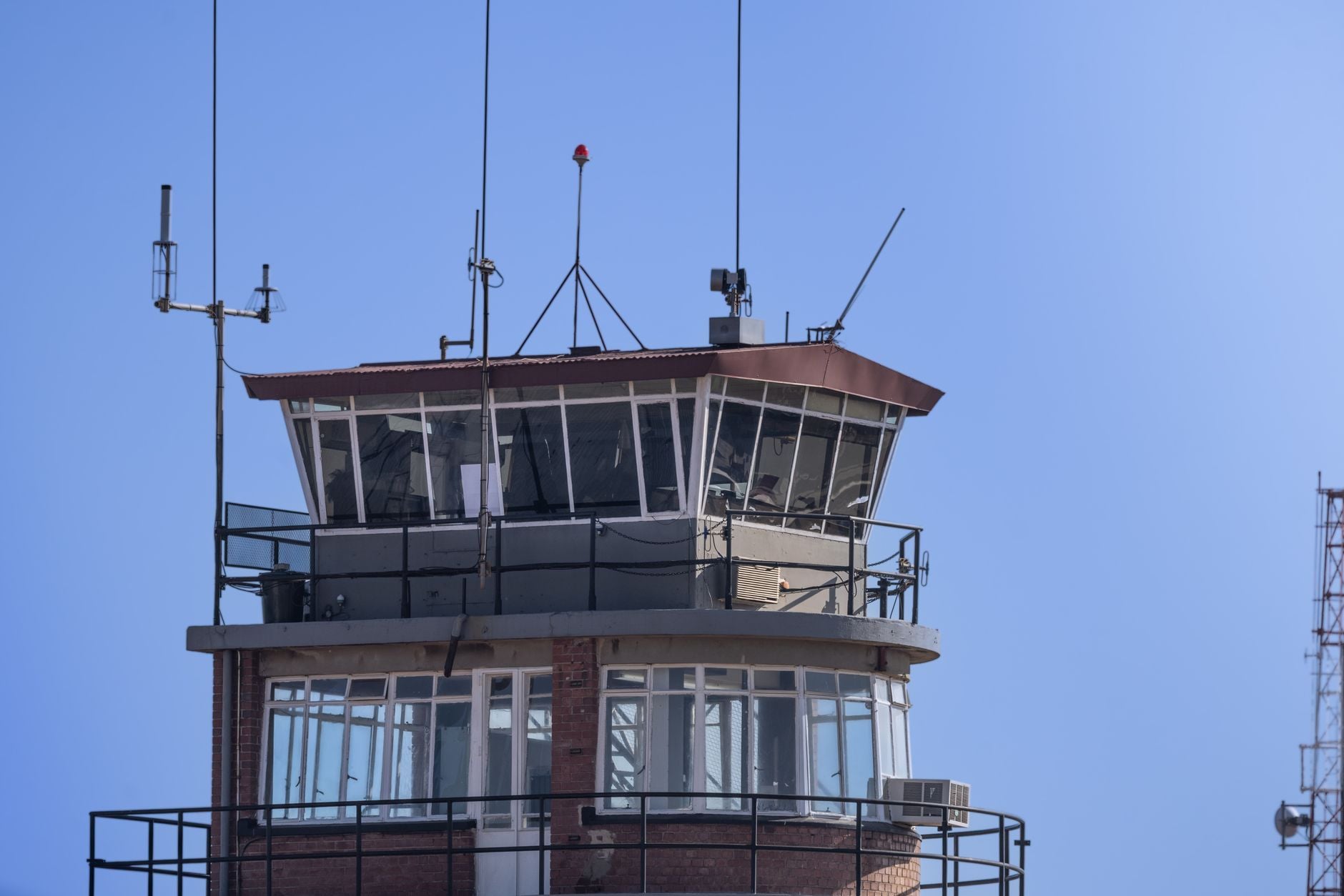
Getting to and from a terminal involves its own layer of digital infrastructure, particularly around parking. Based on its site description, Edinburgh Airport presents car parking information through its website, giving travellers a way to review options before a trip rather than deciding only on arrival. Reviewing parking choices in advance matters because spaces near a terminal can fill quickly during busy travel periods, and a late decision can mean a longer walk or a tighter schedule.
Ground transportation technology also includes systems that coordinate taxis, buses, and drop-off zones around busy terminals. These tools help manage vehicle flow during peak periods, particularly around early morning departures. Although less visible than security or check-in systems, this infrastructure plays a steady role in keeping the roads and forecourt around an airport functional.
Customer Experience Apps and Digital Services
Beyond logistics, airports increasingly use digital services to communicate directly with travellers rather than relying on signage alone. Edinburgh Airport‘s website description also references destinations, pairing route information with the flight and parking details already covered. This kind of consolidation reflects how airport technology systems increasingly aim to reduce the number of separate places a traveller needs to check before a trip.
The list below outlines some of the digital touchpoints travellers may encounter when moving through an airport such as this one.
- Live flight information helps confirm departure and arrival status before leaving for the terminal.
- Airline and destination listings give an overview of carriers and routes operating from the airport.
- Car parking information allows advance review of options near the terminal.
- Website navigation tools bring flight, airline, and parking information together in one digital space.
- Terminal maps and wayfinding information help travellers locate check-in desks, gates, and facilities once inside the building.
Taken together, these touchpoints show how a single airport website can act as a coordination point for several services at once. Rather than searching across multiple sources, a traveller can review flight status, parking, and airline details from one starting point. That pattern reflects a steady move toward digital convenience sitting alongside the operational demands of running a terminal.
Airport technology systems will keep evolving quietly in the background, long after a traveller has boarded.