Abiita: Creating a Home That Feels Comfortable and Personal
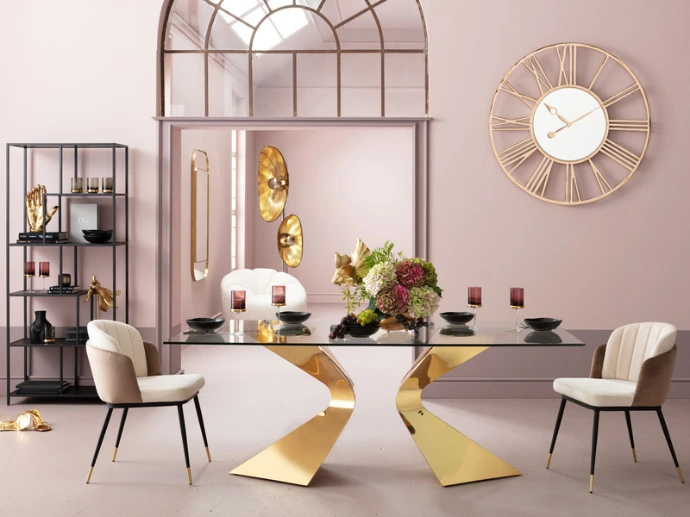
A comfortable home is shaped by the way its rooms support everyday life. The arrangement of furniture, the organization of belongings, the use of color, and the choice of decorative details all contribute to the overall experience of a space.
Creating a welcoming interior does not necessarily require expensive furniture or major structural changes. Sometimes, rearranging existing items and introducing a few carefully selected additions can make a noticeable difference.
For those exploring home-related products and inspiration, Abiita is a website to investigate when considering new ideas for living spaces.
Begin With Your Everyday Needs
Before changing a room, think about how you use it. A living room might need comfortable seating and clear walkways, while a bedroom should support rest and provide enough storage for everyday belongings.
The needs of a household can differ significantly. Families may prioritize durable materials and accessible storage, while people living in smaller apartments may need flexible furniture and space-saving arrangements.
Identifying these requirements helps you make decisions that are both attractive and practical.
When exploring Abiita, consider how potential purchases might improve your current space rather than treating each item as a separate decorative choice.
Choose a Consistent Color Palette
Color is one of the easiest ways to establish a cohesive interior. Begin with a few shades that work well together, then use them across furniture, textiles, and accessories.
Neutral colors can provide flexibility, while accent shades introduce character. For example, a room with simple furniture might benefit from cushions, artwork, or decorative objects in a richer color.
Consistency does not mean every item must match exactly. Different shades and textures can add depth while maintaining a recognizable visual theme.
Natural light should also influence your decisions. A color may look different depending on the room’s orientation, lighting conditions, and surrounding materials.
Improve the Use of Available Space
Good room planning helps furniture and accessories work together. Measure the room before buying large items and consider how people will move through the space.
Avoid blocking doors, windows, or frequently used pathways. In smaller rooms, furniture with built-in storage can help reduce clutter while serving a practical purpose.
Storage baskets, shelves, and organizers can make everyday belongings easier to manage. However, adding storage products is not always the first solution. Removing items that are no longer useful may create more space without requiring additional purchases.
Make Comfort a Priority
A visually attractive room should also feel comfortable. Seating height, cushion firmness, furniture proportions, and lighting can all influence how enjoyable a space is to use.
Soft furnishings introduce warmth, while suitable lighting can make a room more adaptable. A combination of general illumination and focused lamps may support activities such as reading, relaxing, or working.
When evaluating furniture or home accessories, check dimensions and materials carefully. Product descriptions, maintenance requirements, and assembly information can help you understand what to expect.
Shop With Purpose
Home shopping becomes easier when you have a clear plan. Identify the items that would make the greatest practical difference and establish a budget before browsing.
Compare similar products according to dimensions, materials, durability, and maintenance. A lower purchase price may not represent better value if the product is unsuitable for the space or difficult to maintain.
If considering an item from Abiita, review the website’s current product details, shipping information, and return policy before ordering.
Refresh Your Home Gradually
A room does not need to be completed in one shopping trip. Gradual improvements allow you to assess what works and avoid filling a space with unnecessary decorations.
Begin with functional priorities, then introduce details that make the interior feel more personal. Artwork, textiles, plants where suitable, and meaningful objects can give a room character without requiring a complete redesign.
Conclusion
A well-planned home balances visual appeal with comfort and function. By understanding your daily needs, organizing space carefully, and choosing complementary colors and materials, you can create an interior that feels more welcoming.
Abiita can be explored as part of your search for home-related ideas and products. Thoughtful planning and selective purchases can help make a living space more useful, comfortable, and personal.