The Verge’s Editorial Coverage Across News, Reviews, and Features

Technology journalism covers a wide spectrum, from fast-moving breaking stories to slow, deeply reported investigations. The Verge editorial coverage spans that whole range, organizing its output into distinct formats so readers can find what they actually need. Founded over a decade ago, The Verge built its identity around the idea that technology is not just gadgets but a force that shapes how people feel, work, and live.
Breaking News and Investigative Reporting at The Verge
The Verge keeps a steady stream of breaking news running across its homepage, covering everything from new product launches to shifts in the AI industry. Recent coverage has tracked how data centers are straining regional water supplies, how companies are racing to build advanced AI systems, and how new hardware announcements ripple through the tech industry. Reporters like Tom Warren, Jay Peters, and Emma Roth contribute to this fast-paced coverage, often publishing same-day analysis as news breaks. This immediacy is one pillar of The Verge editorial coverage, giving readers a quick read on what just happened and why it matters.
Alongside daily news, the outlet dedicates resources to investigative reporting that digs into bigger structural stories. Pieces examining the political backlash against data centers in places like Texas and Virginia show how The Verge connects technology coverage to local and national politics. These stories often take weeks to report and lean on multiple sources rather than a single announcement or press release.
The Verge’s Award-Winning Features and Long-Form Investigations
Beyond daily reporting, The Verge publishes long-form features that take a magazine-style approach to technology subjects. These pieces often follow a single community, company, or conflict over an extended period, such as reporting on residents opposing a proposed large-scale data center project. The site describes this work as including award-winning features and investigations, distinguishing it from quicker news coverage.
These long-form stories tend to carry a narrative structure, introducing readers to specific people affected by technological change rather than just summarizing events. That approach gives the features a different pace and tone than the breaking news section, even though both appear on the same site under the same editorial umbrella.
Product Reviews and Buying Guides in Verge Shopping
Reviews and commerce coverage form another major branch of the publication, led by a dedicated team including a Deputy Editor for Reviews and Commerce and a Senior Reviews Editor. This team evaluates devices, software, and gadgets, offering readers practical guidance before a purchase. The structure signals that product journalism is treated as its own discipline, separate from news and features but still central to the outlet’s identity.
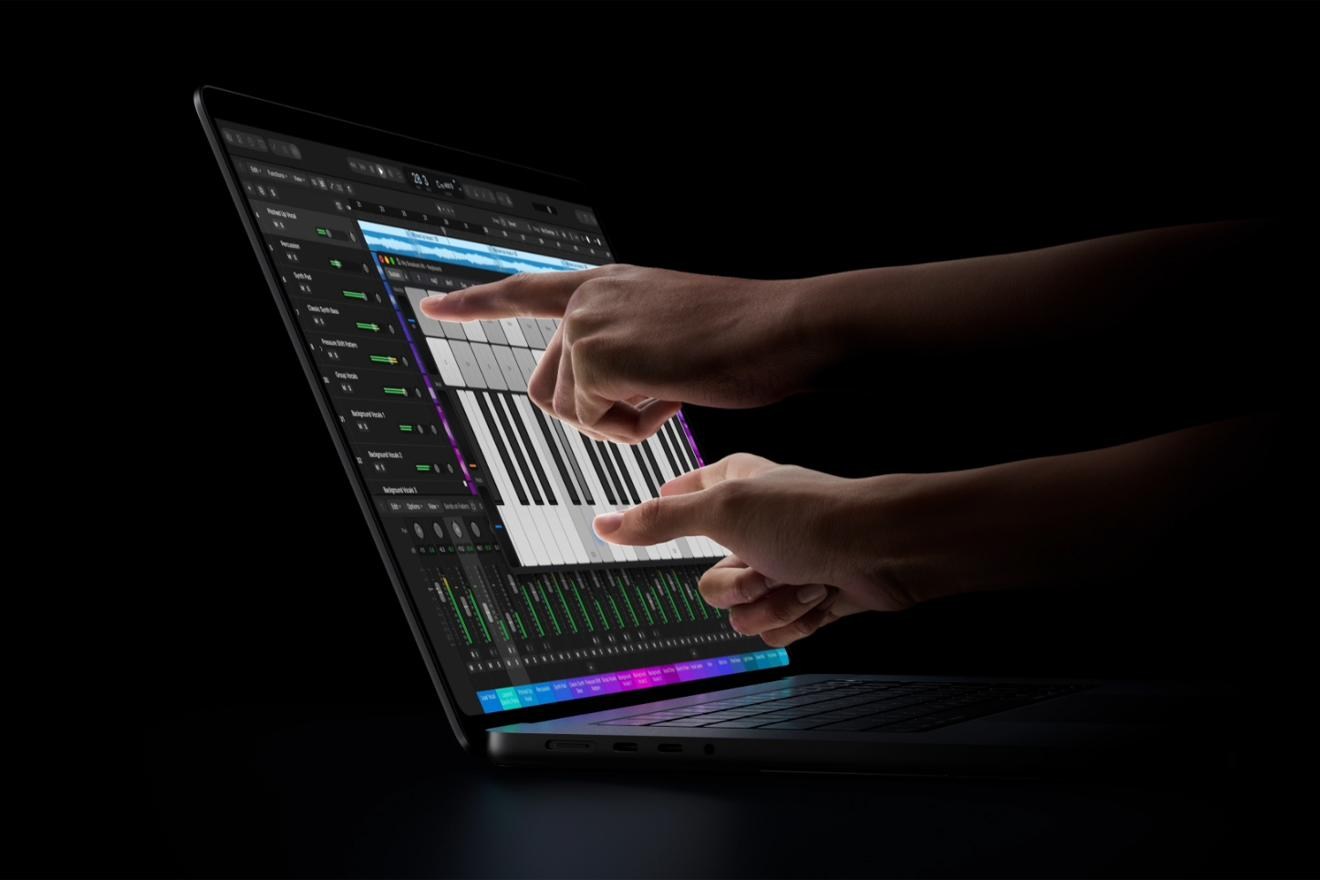
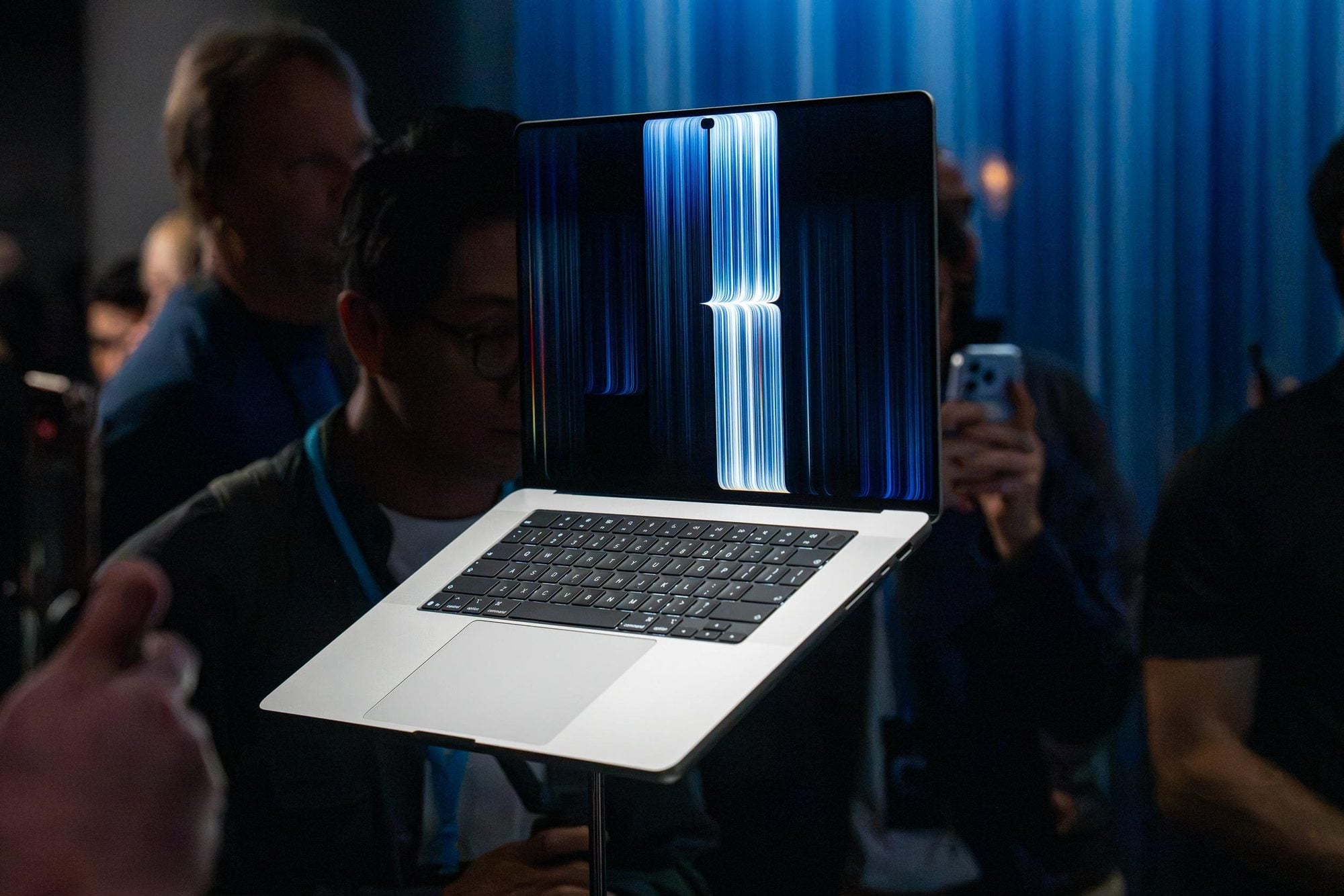
Coverage in this space includes hands-on looks at new hardware, such as early impressions of touchscreen laptops and updated tablets. These hands-on pieces sit between news and reviews, offering a first impression ahead of a fuller review once a product is tested more thoroughly.
Video and Multimedia Content Across Platforms

The Verge extends its reporting beyond text through video content distributed across platforms including YouTube. This multimedia arm lets the team demonstrate products visually, which matters for gadgets and interfaces that are easier to understand on screen than in a paragraph. Video coverage often runs alongside written hands-on pieces, covering the same product launches from a different angle.
Social channels including Instagram and Threads also carry shorter video and photo content, extending reach to audiences who prefer scrolling over reading long articles. This cross-platform presence reflects a broader industry pattern where a single outlet publishes the same story across formats to meet readers wherever they already spend time.
Podcasts and Audio Coverage of Technology Trends
Audio is a significant part of the outlet’s output, anchored by its flagship show, The Vergecast. Hosts Nilay Patel and David Pierce lead a Friday episode that recaps the week’s most important technology news in conversational form. On other days, David Pierce leads a rotating group of staff reporters through deeper discussions about how specific gadgets and software affect daily life.
This regular publishing rhythm means the podcast functions almost like a second news desk, covering similar ground to the written site but in a looser, discussion-driven format. Episodes have covered topics ranging from new smart home devices to the early history of the AI industry, drawing on guest interviews as well as staff commentary.
Opinion and Analysis Through The Verge’s Editorial Voice
Not everything published fits neatly into news, reviews, or features. The site also carries analysis and opinion pieces that interpret what a product launch or industry shift actually means for readers. Writers such as Elizabeth Lopatto have used this space to argue broader points about where an industry, like generative AI, may be heading.
This analytical layer ties the rest of The Verge editorial coverage together, giving context to the breaking news and connecting individual product reviews to larger industry trends. It is this combination of fast reporting, deep investigation, product testing, video, audio, and opinion that defines how the outlet approaches technology journalism.
- Breaking news articles covering product launches, company announcements, and industry shifts as they happen.
- Long-form investigative features exploring topics such as data center expansion and its effects on local communities.
- Hands-on first-look articles covering new hardware ahead of full reviews.
- A dedicated reviews and commerce section staffed by editors focused specifically on product evaluation.
- Video content distributed on platforms including YouTube, Instagram, and Threads.
- The Vergecast podcast, published on a near-daily schedule with rotating staff contributors.
Taken together, these formats show why readers return to the same outlet for very different needs, whether that means a quick headline, a deep investigation, or a weekly podcast catch-up.